folk
0.13.2the village has faces now — and fortunes
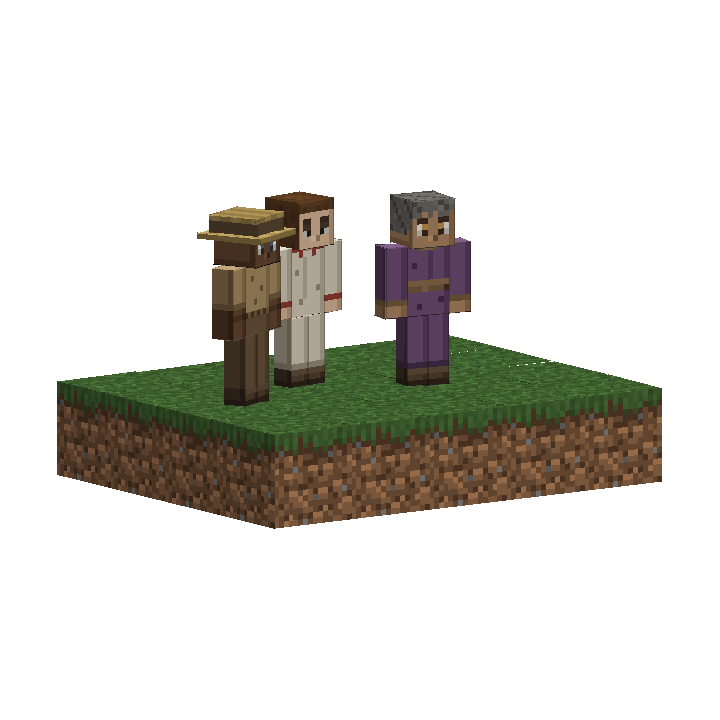
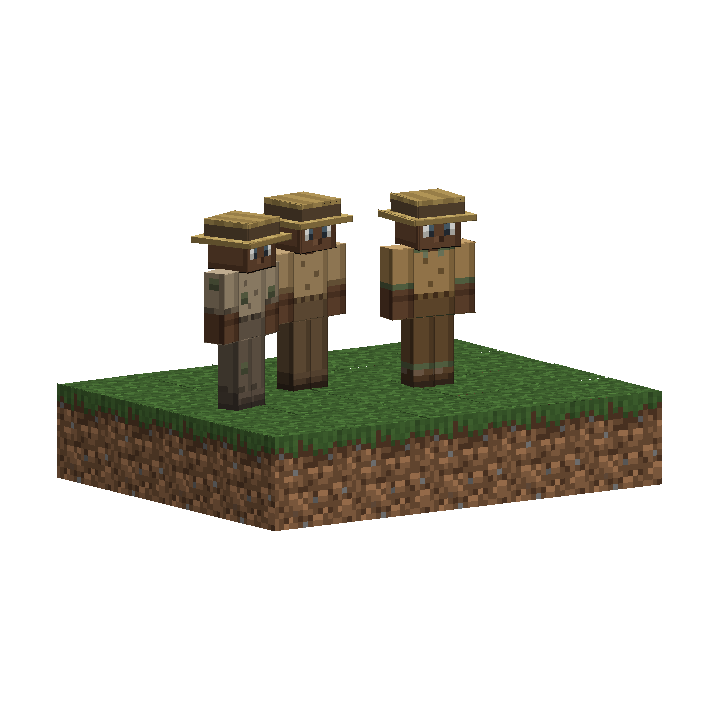
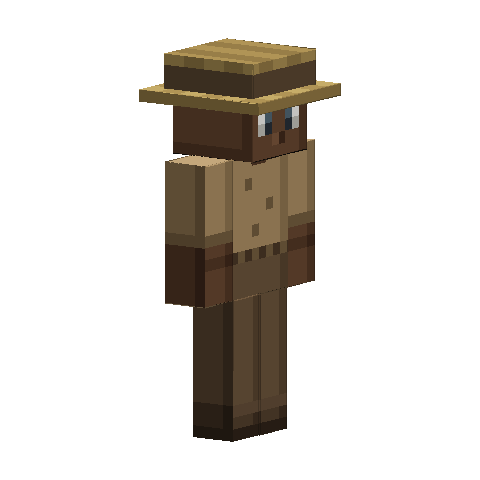
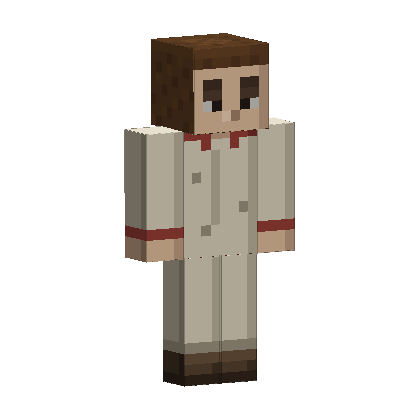
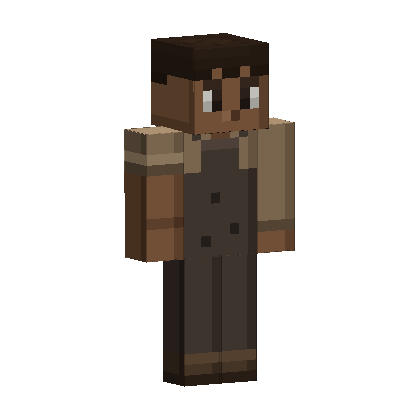
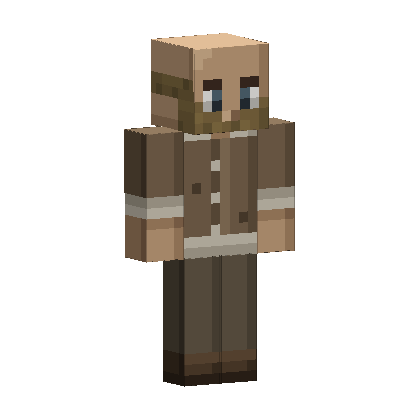
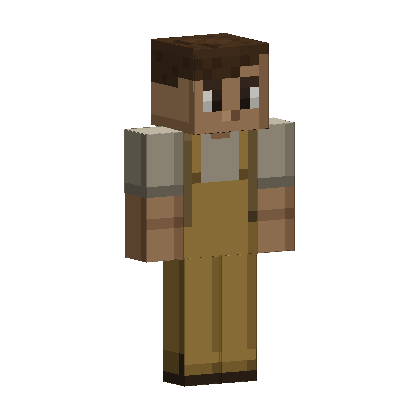
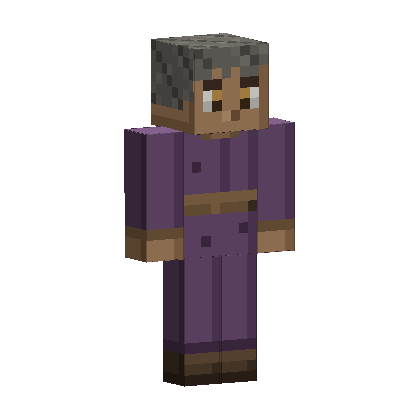
villagers become people. the big-nosed model gives way to playerlike bodies, and every villager grows a face of their own: skin tone, hair, eyes, and their profession's clothes, composed the moment you first see them — from nothing but their own identity. it is deterministic and stateless, so the librarian you know keeps her face on every visit, every restart, on every player's screen, without a scrap of data stored anywhere. the outfit follows the trade, a career change is a change of clothes and never a change of face, and zombie villagers keep vanilla's look on purpose: what was lost should look lost.
and the village has fortunes now, kept by its own bell. trade flows through and it prospers; trade stops and it goes quiet. no hud, no number, no menu — you read a village the way you read a person, by looking: a prosperous street wears trim and clean aprons and now and then sets its own table (bread from the ledger's purse, children through vanilla's own willingness), a hard winter shows in patched elbows and faded dye, and crossing into prosperity rings the village's own bell once, unprompted, at dusk. decline rings nothing; the book does not gloat.
the hats are real. a farmer's straw hat is an actual item in an actual head slot — a helmet cut from wheat, zero armor, craftable and wearable by anyone — issued by the village, kept through zombification, and dropped in the lane when its wearer falls. place one on a neighbour's head by hand; take it back with shears. vanilla's own grammar, end to end.
and the world answers the ledger, always behind your back. a village that outgrows its beds raises a new house while nobody watches — the generator's own plans, in the biome's own style, indistinguishable from the houses that were always there — and a village whose people are gone goes slowly to moss, cobweb and darkness, house by unclaimed house, the way vanilla taught you to read a dead place. every swap is written in the ledger, so when villagers walk home again the carpenters mend the ruin exactly: what folk never touched, folk never untouches. a ruin is an invitation, not an ending.